Rome: The Eternal City Unveiled
A rigorous architectural and sensory journey across 2,800 years of civilization, secret courtyards, and Michelin-worthy trattorie.
Rome is neither museum nor metropolis; it is an organic stratigraphy where Imperial temples support Renaissance basilicas, which in turn shelter twentieth-century wine cellars. Walking along the Via dei Fori Imperiali at dusk, with the Colosseum backlit by amber floodlights, reveals why the Romans bestowed upon their city the epithet Urbs Aeterna.
Chapter I: Navigating the Classical Core
Most travelers commit the error of attempting the Roman Forum, Palatine Hill, and the Colosseum in a single exhausting afternoon. Pacing is key: reserve an 8:30 AM entry to the Colosseum via the Gladiator Gate, which grants direct footing upon the reconstructed arena floor before the masses assemble.
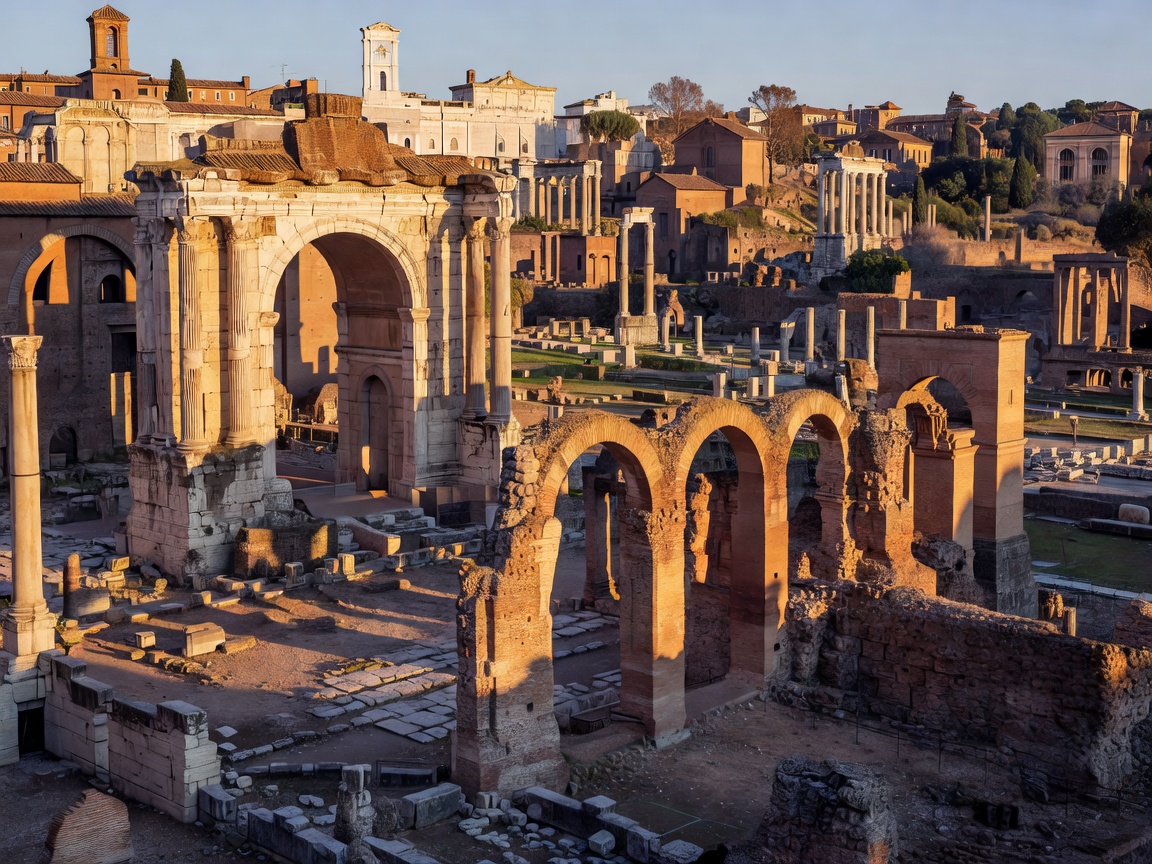
Ascend directly to the Palatine Hill. Here, among umbrella pines and scent of wild rosemary, emperor Augustus and his successors erected palaces overlooking the Circus Maximus. From the Farnese Gardens terrace, one surveys the entire Roman Forum in tranquil panoramic splendor.
Chapter II: The Vatican Museums & Caravaggio Pilgrimage
To properly appreciate the Vatican, book an early VIP entrance or evening tour during extended seasonal hours. Pass through the Gallery of Maps with its gilded barrel vault, and stand beneath Michelangelo’s Sistine Chapel ceiling when silence still echoes through the sacred chamber.
Equally rewarding and completely free of queues is Rome’s Caravaggio circuit. Visit the Church of San Luigi dei Francesi to gaze upon the Calling of Saint Matthew, where dramatic chiaroscuro illuminates the dark chapel, then walk five minutes to the Basilica of Sant'Agostino to view the Madonna of Loreto.
Chapter III: Trastevere & The Four Roman Pastas
Across the Tiber, the working-class quarter of Trastevere maintains its ivy-clad ochre facades. Roman cuisine adheres strictly to four fundamental pasta disciplines:
- Cacio e Pepe: Tonnarelli pasta emulsified with aged Pecorino Romano and crushed toasted tellicherry peppercorns.
- La Gricia: The ancestral archetype, introducing crispy guanciale (cured pork jowl) to the pecorino base.
- Amatriciana: Adding sweet San Marzano plum tomatoes and a splash of white wine to the crispy guanciale.
- Carbonara: Finished off the fire with farm-fresh egg yolks, pecorino, and black pepper for a silky glaze.
Connecting North to Venice & Dolomites
Rome Termini operates as Italy's rail springboard. The Trenitalia Frecciarossa 1000 whisks travelers from Rome to Venice Santa Lucia in precisely 3 hours and 45 minutes, slicing through the Tuscan Apennines at 300 km/h. Direct services run north to Bolzano for fast transfers to the Dolomites within 4 hours 40 minutes.